
The Pivot Nobody Applauds
The turns that shape a career are rarely the ones anyone claps for. They happen quietly, on an ordinary Tuesday, in a decision no one else sees you make.
READ THE ARTICLE ▸Short, practical writing on pivots, pressure, and the work of leading people — from the flight deck of First Class Leadership Group.

The turns that shape a career are rarely the ones anyone claps for. They happen quietly, on an ordinary Tuesday, in a decision no one else sees you make.
READ THE ARTICLE ▸Ask most leaders about their defining pivot and you'll hear about the dramatic one. The resignation. The relocation. The moment the plan fell apart in public.
But the pivots that actually change the shape of a career are usually much quieter than that. They happen on an ordinary Tuesday. Nobody announces them. Nobody claps.
A pivot is not an interruption to the plan. It is information about the plan.
Choosing to have the difficult conversation instead of routing around it. Choosing to develop the person everyone else has written off. Choosing to stop defending a decision you already know was wrong.
None of those will make a highlight reel. All of them change what you are capable of six months later.
We miss quiet pivots because we are waiting for permission — a title, a budget, a signal from above that it is finally time to change direction. That signal usually arrives after the window has closed.
The leaders who move well are the ones who treat the small turn as a real decision, and make it on purpose rather than by default.
Look back over the last ninety days and find one decision you made by drifting rather than by choosing. Not to punish yourself for it — just to see it clearly. Then ask what a deliberate version of that decision would have looked like.
That question, asked honestly and often, is most of the work.
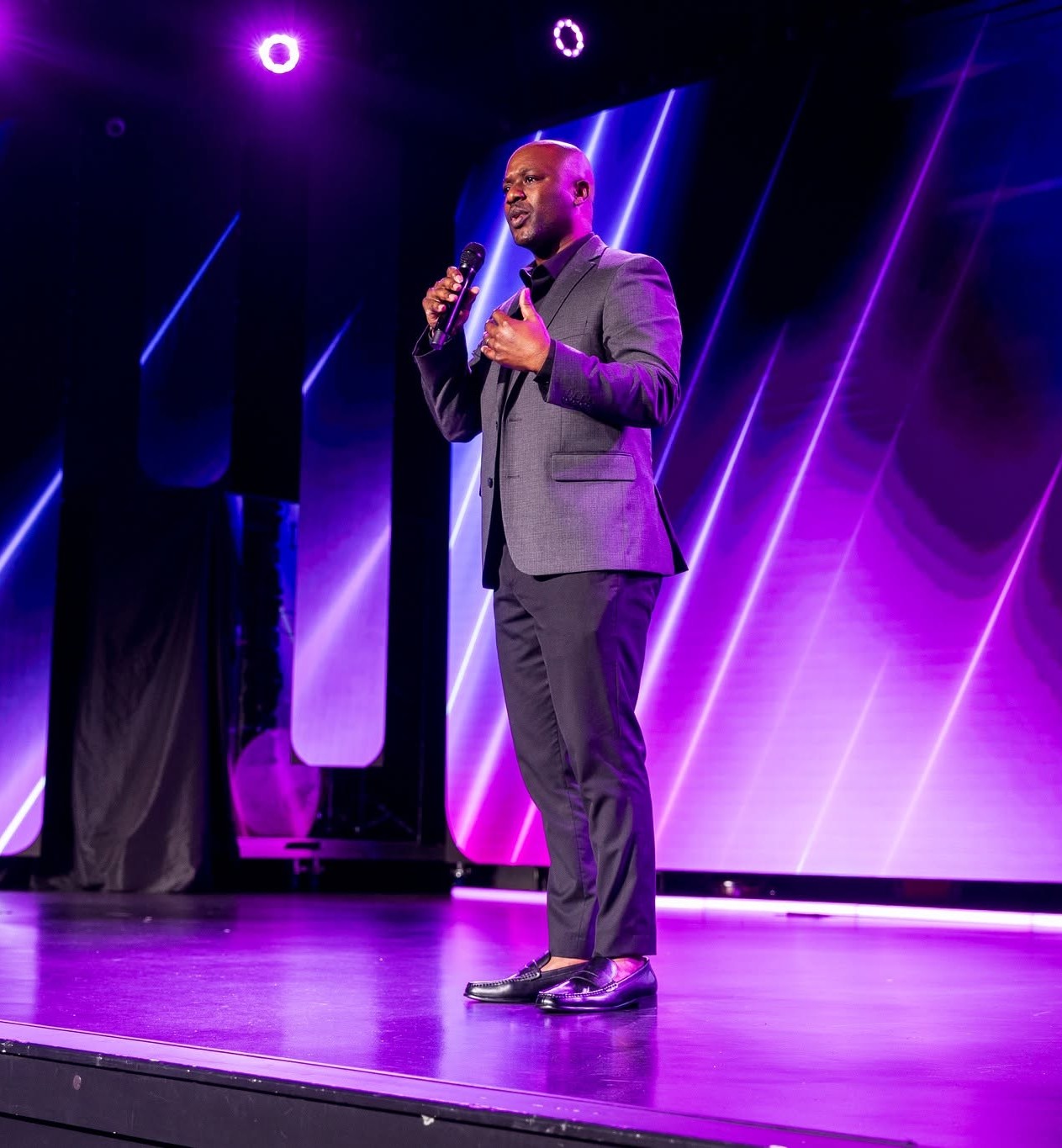
They need to know you've thought it through, that you'll say what you don't know, and that you won't disappear when it gets hard.
READ THE ARTICLE ▸There is a particular kind of pressure that comes with being the person others look to when the path forward isn't obvious. Most leaders respond to it by performing certainty they don't have.
It rarely works. People are good at detecting the difference between conviction and performance, and the gap between the two is where trust goes to die.
Clarity is not the same as certainty. You can be completely clear about a decision you are not sure of.
None of those require you to be right. They require you to be honest and present, which is a far more sustainable standard.
"Here is what we're doing. Here is why. Here is what I don't know yet, and here is when I'll come back to you about it." That sentence costs nothing and buys an enormous amount of patience from a team.
The leaders who can say it are usually the ones people follow the longest.
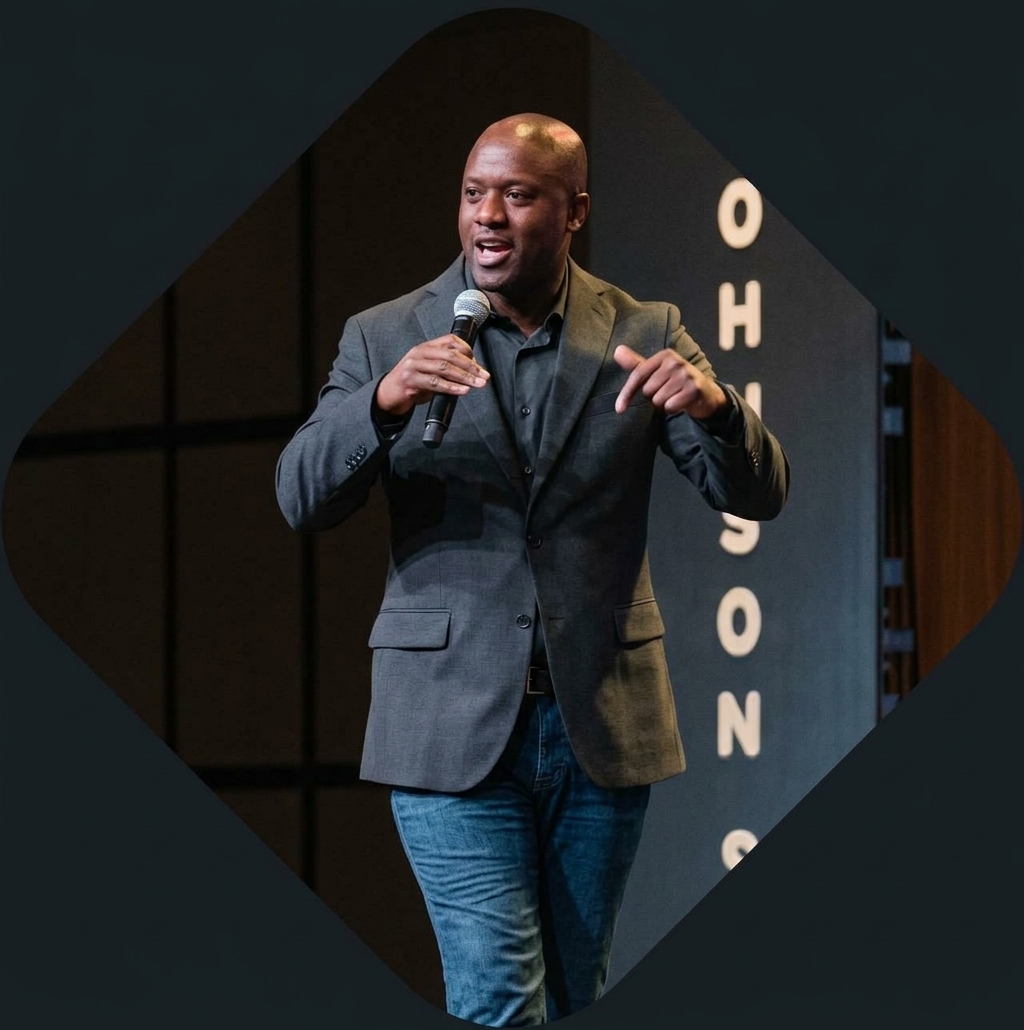
Confidence built on applause disappears the moment the room goes quiet. Confidence built on discipline shows up whether anyone is watching or not.
READ THE ARTICLE ▸Most people treat confidence as a feeling — something that arrives when things are going well and leaves when they aren't. Built that way, it is entirely at the mercy of circumstance.
There is a sturdier version. It comes from having done the thing enough times, under enough conditions, that you have evidence rather than hope.
Confidence is just memory. The question is what you have been giving yourself to remember.
You cannot talk yourself into believing something your track record contradicts. What you can do is build a track record small enough to start today and specific enough to actually keep.
Not "be a better communicator." Something more like: write the update before the meeting, every week, for eight weeks. That is a promise you can keep, and keeping it is the point.
Discipline practised alone is fragile. Discipline practised where someone can see it becomes durable, because now there is a cost to quietly letting it slide.
Find one person who will ask you about it without softening the question. That relationship will do more for your confidence than a year of reading about it.
Keynotes, workshops, and coaching built on the GEM Leadership Framework. Start with a 30-minute First Class Strategy Call.